


Automation has become a defining force in the customer experience. Between the chatbots that answer our questions and the recommendation systems that shape our choices, AI-driven tools are now embedded

This is today’s edition of The Download, our weekday newsletter that provides a daily dose of what’s going on in the world of technology. The looming crackdown on AI companionship As long
As long as there has been AI, there have been people sounding alarms about what it might do to us: rogue superintelligence, mass unemployment, or environmental ruin from data center
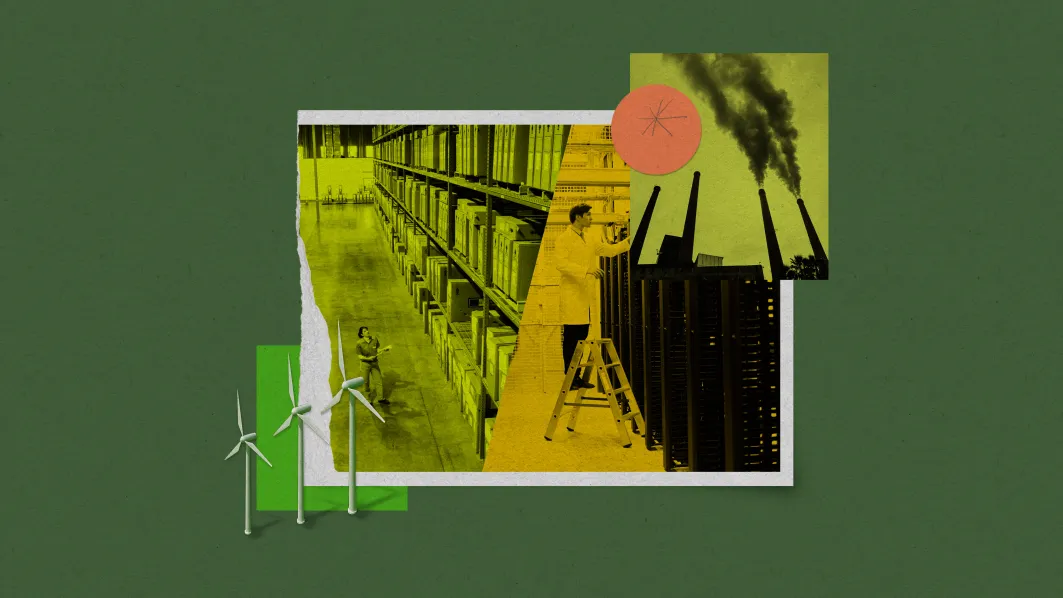
This is today’s edition of The Download, our weekday newsletter that provides a daily dose of what’s going on in the world of technology. Meet tomorrow’s rising stars of computing Each year,
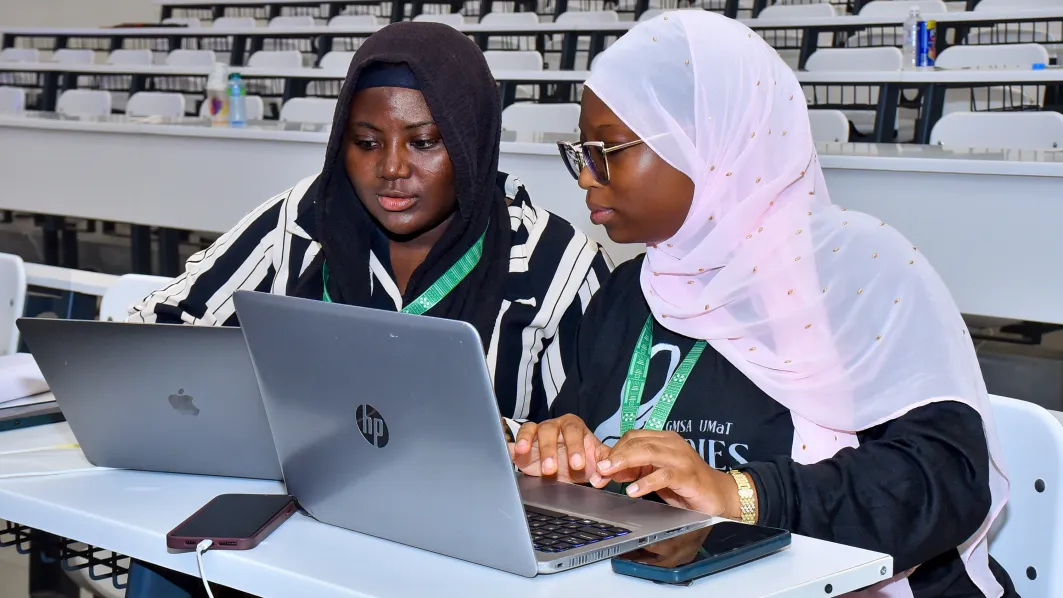
This is today’s edition of The Download, our weekday newsletter that provides a daily dose of what’s going on in the world of technology. We can’t “make American children healthy again” without
MIT Technology Review Explains: Let our writers untangle the complex, messy world of technology to help you understand what’s coming next. You can read more from the series here. It’s
Note for readers: This newsletter discusses gun violence, a raw and tragic issue in America. It was already in progress on Wednesday when a school shooting occurred at Evergreen High

Generative AI has the potential to transform the finance function. By taking on some of the more mundane tasks that can occupy a lot of time, generative AI tools can

This is today’s edition of The Download, our weekday newsletter that provides a daily dose of what’s going on in the world of technology. How Trump’s policies are affecting early-career scientists—in their
Last week, a legal battle over lab-grown meat kicked off in Texas. On September 1, a two-year ban on the technology went into effect across the state; the following day,